

Flood Preparedness Advice

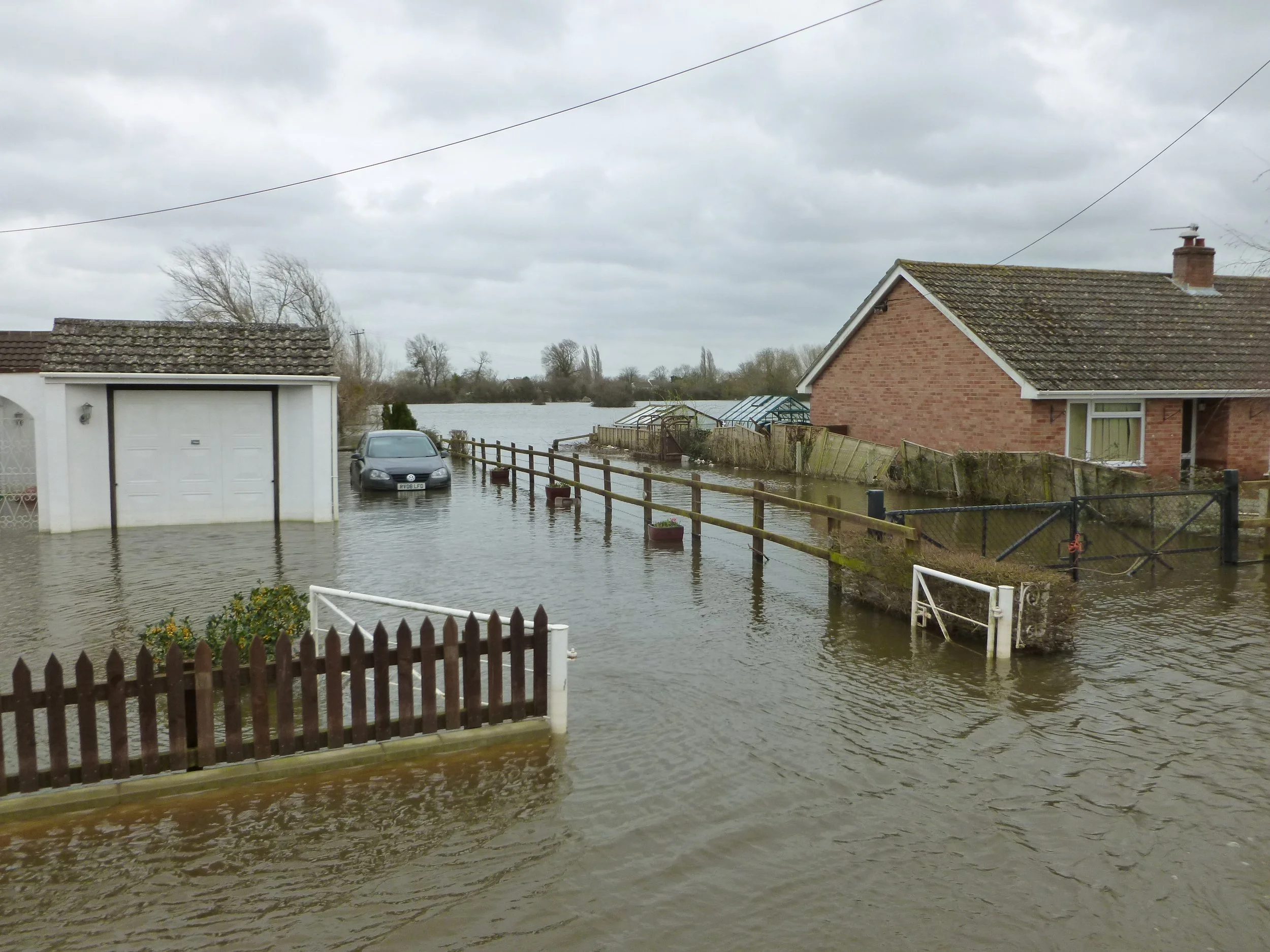
Preparing for Rural Flooding: Advice and Guidance
Preparing for flooding is a challenging task, particularly for rural areas facing unique vulnerabilities. To help you navigate through existing guidance relating to flood preparation, this page signposts to key advice to support rural homeowners, communities, businesses, farmers and growers.
Note: if you experience flooding, follow the immediate actions and further advice in our flood recovery guidance
Ways to Prepare for Flooding:
Sign up for Flood Warnings
-
from rivers, the sea, surface water, reservoirs and groundwater (where data is available) to find out current and future chances and possible causes of flooding in your area.
-
concerned with flood risk over a larger area, can also check the flood map for planning for current and future flood risk.
-
to receive Environment Agency free flood warnings by text, phone or email.
-
also has a National Weather Warning service, and you can sign up online for their Severe Weather Warning email alerts.
-
If you become concerned about a flood happening check for flooding in the next 5 days and make sure you are familiar with what to do if you’re about to be flooded and during a flood.
Make a Flood Plan
To plan how you’ll respond to a flood. You can make a:
-
-
If you are responsible for an organisation such as school, hospital, care home or community group.
-
-
Landowner and Farmers flood plan is a template that was created for North West England, but could be applied elsewhere
BeFloodReady also offer guidance and templates for making a household or business flood plan
Flood plans are important as they include:
How to keep your valuable and sentimental items safe from floodwater.
How to limit the amount of water that may come into your home.
Details of insurance and arrangements for evacuation of any pets or livestock.
Keep your flood plan in a safe place with other essential items, for example spare medication, important documents and contact details.
If you are in a vulnerable group (e.g. of pension age, living with a long-term condition or disability, pregnant or caring for young children) you can also register for the Priority Service Register. This can get you priority support to restore your energy supply if disrupted.
Whether you are a homeowner, renter or business owner, there are steps you can take to insure your property and belongings.
Get Flood Insurance
-
Get insurance advice from the National Flood Forum or MoneyHelper
Find lower-cost home insurance through Flood Re if you’re in a flood-risk area
Find a broker that specialises in properties that are difficult to insure
Find out from your insurer if you are eligible for Flood Re’s Build Back Better scheme. You could get up to £10,000 to protect your home from future flood damage as part of your flood damage repairs.
-
Ask your landlord what insurance they have. If this does not cover your personal items get contents insurance.
Read the ‘How to rent’ guide by the Ministry of Housing, Communities and Local Government, for more information about flooding and insurance.
-
Use advice from the National Flood Forum on insurance for small businesses to help you get:
Buildings insurance - to cover flood damage to buildings
Contents insurance - to cover damage to items, for example stock
Business interruption insurance - to cover running costs or losses, for example salaries or loss of profit.
-
Get evidence of flood risk
Contact the Environment Agency if your insurer asks for evidence of your flood risk. You’ll get a letter within 20 days. It’s free for individuals and businesses.
If you’ve done work on your property
You or a surveyor can complete a Flood Risk Report. This will tell insurers or buyers how the work has reduced the flood risk.
Prepare your Home or Business for the Risk of Flooding
Flooding is not only disruptive and upsetting but can also be expensive and take a long time to repair.
Although you cannot completely protect your home or business against flooding, there is a lot you can do to reduce:
The amount of flood water that gets in e.g. changes to doors, walls, floors and drains and pipes
The damage from flood water e.g. modifying internal walls, floors, shelves, electrics etc. and using a water pump
These property flood resilience (PFR) actions can reduce the cost and time of cleaning up after a flood. They are long-term changes which you can make whether you own or rent a property well before any potential flooding occurs.
-
You can find a directory of flood protection product and service providers including surveyors at Blue Pages
-
The Code of practice for property flood resiliencewhich provides standards for best practice when installing PFR measures
The BeFloodReady Property Flood Resilience (PFR) website which includes a:
The Flood Mary website which includes a directory of PFR products and measures.
Prepare your Farm for the Risk of Flooding
-
Preparing your farm business for flooding:
What to include in your flood plan
Top tips for staying up to date with information on adverse weather and flood risk
Actions to take to protect your business before a flood
-
Resources for farmers, landowners and land managers including:
A concise guide on planning and preparing for flooding including creating a flood plan, checking you have adequate flood insurance, gathering a flood kit and reporting animal movements
A flood plan template (a template that was created for Noth West England, but could be applied elsewhere)
Examples of agricultural land management strategies that can reduce rapid water runoff.
-
Sustainability West Midland’s Weathering the Storm: A practical guide for farmers and land managers provides guidance for adapting to a changing climate. It includes a handy checklist of actions to increase the resilience of your farm or land to extreme weather.
The Agriculture and Horticulture Development Board (AHDB) provide resources for tackling the risks and impacts of extreme weather including information on:
High priority risks (flooding), opportunities and actions for farm businesses
-
The following guide contains information to support farmers with their environmental planning in advance of wet weather
Harvesting Success: Pollution-Prevention Rules for Farmers | Farming Advice Service
If you are a farmer or grower, the following resources offer specific guidance to help increase your resilience to flooding.
Support Community Flood Resilience
Community led actions can support communities in becoming more resilient to the risks of flooding. Guidance on the actions communities can take includes:
-
Guidance on how nature-based solutions can reduce local flooding
-
Action with Communities in Rural England (ACRE) and Farming and Wildlife Advisory Group (FWAG)’s Community Guide to Your Water Environment. Advises on how your community can better prepare for extreme weather events (flood and drought) while protecting the quality of your waterways.
-
Community resources for advice on Community Flood Planning including flood and emergency plans, flood resilience schemes and flood action groups.
-
Community Resilience Toolkit designed to help communities build flood resilience through raising awareness of risk, identifying local vulnerabilities and capabilities, and developing emergency plans.
-
Online community which provides resilience training and support
Useful Organisations
Organisations offering support with flood preparedness:
-
0345 988 1188
Registering for flood warnings, finding out warnings currently in force, and checking your long-term flood risk.
-
-
01299 403 055
Support and advice on reducing and preparing for the risk of flooding.
-
-
-
An organisation set up to provide dedicated information and guidance on how you can prepare your home or business for a flood.
-
105
The national phone line for reporting power cuts and reporting damage to electricity power lines and substations that could put people in danger.
Organisations offering emotional and mental health support:
-
999 / 111
Dial 999 in an emergency or 111 for urgent help. Find simple and practical ways to ease anxiety and manage stress online.
-
116 123
Call their 24hr, year-round, confidential helpline if you are having a difficult time or worried about someone else who is.
-
0300 323 0400
For support when you (or someone you know) working in agriculture or another rural business are affected by stress and/or depression.
The advice signposted to on this webpage is not exhaustive and additional guidance is available.